
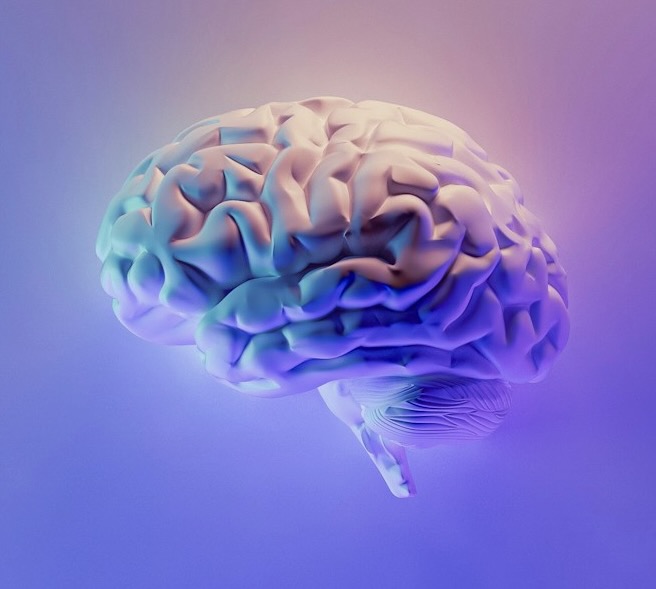
What is Brainspotting and Why is it So Effective?
.
“Sometimes the deepest healing happens not by talking more, but by listening to what the body has carried in silence.”
— Anonymous
.
Many highly sensitive introverts spend years trying to heal through willpower, prayer, positive thinking, or traditional talk therapy. They understand their struggles intellectually, yet the same emotional patterns continue repeating. Anxiety persists. Emotional triggers remain intense. Shame, fear, grief, anger, or relationship wounds still feel deeply embedded inside the body.
Highly sensitive introverts often feel emotions more intensely than others. They absorb other’s emotions easily, process experiences deeply, and become overwhelmed more quickly. Many are compassionate, intuitive, spiritually aware, and emotionally perceptive. Yet inwardly, they may struggle with overthinking, people-pleasing, emotional flooding, exhaustion, or powerful reactions they cannot fully explain.
Why do people continue reacting emotionally in ways they cannot fully control, even when they understand their struggles intellectually?
Because many emotional wounds are not stored in the logical, thinking part of the brain. They are stored deeper within the nervous system and subcortical brain, beneath conscious awareness.
Here’s what I found works better than talk therapy.
Brainspotting: A Gentle Yet Deeply Transformative Therapy
Brainspotting is a powerful brain-body healing approach developed by Dr. David Grand in 2003. It is based on the understanding that “where you look affects how you feel.” Specific eye positions appear connected to emotionally charged neural networks stored deep within the brain and body. By locating these eye positions—called “brainspots”—a trained Brainspotting professional can help clients access and process unresolved emotional material that traditional talk approaches may not fully reach.
In simple terms, Brainspotting helps people access the deeper places inside themselves where trauma, emotional pain, survival responses, and limiting beliefs are stored.
This is important because emotional suffering is often not just a thinking problem. It is a nervous system problem.
Highly sensitive introverts are especially vulnerable because experiences often affect them more deeply. Childhood criticism, emotional neglect, bullying, rejection, conflict, chaotic homes, emotionally unsafe relationships, or spiritual pressure can quietly shape the nervous system for years. Even after the conscious mind “moves on,” the body may continue carrying fear, hypervigilance, shame, emotional overwhelm, or chronic tension.
For example, a sensitive introvert may logically know they are safe in a relationship, yet still panic when someone distances from them.
Another person may understand intellectually that they are valuable, yet still carry chronic shame or self-criticism.
Others may react with overwhelming anger, fear, emotional shutdown, or people-pleasing without fully understanding why.
The subcortical brain—which includes deeper emotional and survival centers—processes experience differently than the rational thinking brain.
During overwhelming or emotionally painful experiences, the nervous system can become “stuck” in protective survival patterns such as fight, flight, freeze, shutdown, hypervigilance, or emotional numbing. Even years later, these unresolved patterns can continue shaping emotions, relationships, behaviors, and physical symptoms.
Traditional talk counseling often works primarily with the cognitive brain: understanding, interpretation, and analysis. While insight can be valuable, it does not always fully resolve nervous system dysregulation or deeply stored emotional material.
Brainspotting works differently. It’s what we call a “bottom-up” therapy. We focus on healing the nervous system and emotions instead of cognitive processing.
What to Expect During a Brainspotting Session
The practitioner helps the client identify an emotional issue, body sensation, or activating experience. The therapist then slowly guides the client’s visual field to locate a specific eye position connected to that emotional activation.
Often the client notices subtle physical cues such as increased emotion, tightness in the chest, changes in breathing, tension, tingling, swallowing, shakiness, or a feeling that “something is there.”
Once the brainspot is located, the client maintains gentle focus on that eye position while allowing thoughts, emotions, body sensations, memories, or internal experiences to emerge naturally. The therapist remains deeply attuned and present throughout the process, creating a safe relational environment where the nervous system can begin processing unresolved material.
The client may choose to share what they experience or remain silent, whatever helps them process most deeply.
Unlike traditional approaches that rely heavily on talking, Brainspotting allows the brain and body to process organically at their own pace.
Clients frequently experience emotional healing, spontaneous insights, memory connections, nervous system discharge, physical relaxation, or profound shifts in perception.
Many people describe Brainspotting as helping them reach places inside themselves they could never access through analysis alone.
Why Brainspotting Works
One reason Brainspotting can feel especially powerful for highly sensitive introverts is because it bypasses excessive intellectualization. Sensitive introverts often become trapped in endless thinking, self-examination, replaying conversations, or searching for insight without experiencing deep emotional resolution. Brainspotting gently moves beneath the analytical mind into the deeper emotional brain where healing can occur more directly.
Research and clinical experience suggest that focused mindful attention, deep attunement, and accessing relevant neural networks helps the brain naturally process unresolved trauma and emotional distress. Brainspotting supports the brain’s innate capacity to heal itself when given sufficient safety, focus, and relational support.
The therapeutic relationship is extremely important in this process. Brainspotting should always be facilitated by a properly trained professional who understands trauma, nervous system regulation, emotional safety, and attunement. Because deep emotional material can emerge, clients need a grounded and skilled guide who can help them remain regulated throughout the experience.
A trained Brainspotting practitioner does not force the process or interpret the client’s experience excessively. Brainspotting counselors are non-judgmental, and they don’t give advice. Instead, they create a calm, compassionate environment where the client’s own brain and body can access healing organically.
Results of Brainspotting
For many highly sensitive introverts, Brainspotting becomes more than symptom relief. It can lead to profound emotional freedom, spiritual insight, greater self-compassion, healthier relationships, and a deeper sense of peace within themselves.
People often discover that the emotional patterns governing their lives for decades are no longer as powerful. Fear softens. Shame loosens. Emotional triggers decrease. The nervous system begins feeling safer.
Conclusion
Many highly sensitive introverts spend years trying to become less sensitive. But true healing usually comes not from becoming less sensitive, but from becoming less wounded.
Healing that once felt impossible suddenly becomes attainable—not through more striving, will power, or analysis, but through accessing the deeper places where healing truly needs to occur.
The Invitation
If you would like to experience Brainspotting, you can do so in private spiritual counseling sessions or intensive retreats where you’ll also benefit from the support of the group.
For further exploration: Breathwork (similar to Holotropic Breathwork) is my most powerful modality. The process requires several hours, and you can experience it in my intensive weekend retreats, where we also use Brainspotting.
To get started, complete the application on the Contact Page.
Related Reading
Transforming the Inner Critic with Brainspotting & IFS
Healing Hurtful Relationship Patterns with Breathwork: Josephine’s Story
 Author: Benita A. Esposito, M.A., LPC, LCMHC
I help people heal emotional wounds, cultivate inner peace, deepen spiritual intimacy, and express their Authentic Self. I am a licensed professional counselor in Georgia and North Carolina, as well as a spiritual counselor, life coach, and ordained minister.
My bestselling book is available on Amazon: The Gifted Highly Sensitive Introvert: Wisdom for Emotional Healing and Expressing Your Radiant Authentic Self.
I specialize in identifying limiting patterns quickly so you can make meaningful progress without wasting time. My approach is body-based, grace-filled, and rooted in a Christian perspective that honors all faiths. I’m certified in the following therapies: Mindfulness, Brainspotting, Grief, Telemental Health, Highly Sensitive People.
In my free time, I enjoy gardening, rowing on mountain lakes, and hiking to waterfalls. My inner shutterbug shot most of the photos featured on my websites.
www.SensitiveIntrovert.com
www.Flourishing-Lives.com




Leave a Reply
Want to join the discussion?Feel free to contribute!