
Mindfulness: How Inner Peace Generates World Peace
“Bliss is a constant state of mind, undisturbed by gain or loss.” – an herbal tea tag
A client once shared how a simple moment unraveled her entire day. Her spouse responded to her concern with quick advice instead of empathy. To anyone else, it might have seemed minor, but to this highly sensitive introvert, it triggered a cascade of emotions: feeling unseen, dismissed, and alone. Her mind raced, her body tightened, and she withdrew for hours.
Later, through mindfulness, she was able to pause, notice what was happening inside her, and gently return to a grounded state. Instead of reacting, she responded. That small shift changed the outcome of her entire evening and her relationship.
Returning to a calm, regulated state—where you can reconnect with your Wise Self—is one of the most essential skills on your Hero’s Journey to your Authentic Self. For highly sensitive introverts, this isn’t just self-care. It’s how you come home to your clarity, intuition, and inner steadiness. And when you do, the impact extends far beyond you. Like a wave moving across a lake, your grounded presence reaches others, softening edges and touching lives you may never even see.
There are many things that can disturb inner peace for a highly sensitive introvert.
Smaller triggers include:
• an abrupt tone of voice
• a dismissive eye roll
• icy silence or emotional distance
• a well-meaning friend dominating the conversation
• loved ones who don’t include you in activities
• a spouse who jumps to fixing your problem before listening with compassion
• superficial conversations when you long for meaning and depth
Larger triggers include:
• criticism
• abuse
• narcissistic partners, bosses, or children
• feeling helpless in the midst of world chaos or a dysfunctional family
How can highly sensitive introverts cultivate inner peace when they feel triggered?
This is a key question to keep in mind.
Developing a mindfulness practice helps highly sensitive introverts cultivate a fulfilling life anchored in the zone of resilience—the state in which your nervous system feels regulated enough to respond thoughtfully rather than react automatically.
You may have seen videos of the monks’ Peace Walk from Texas to Washington, D.C., from October 2025 to February 2026. The lead monk, Venerable Bhikkhu Paññākāra, shared this message:
“Peace is already within you. Happiness is already within you. Love is already within you. Wisdom is already within you. You have simply forgotten to look inside. Stop focusing on what you are reacting to and look within. Stop chasing the outside world. Come back to yourself. Peace comes from within, not from the outside world. Loving-kindness overcomes hatred.”
The monk suggested this mindfulness practice:
“When you wake up in the morning, if you don’t give your mind something to focus on, it will drift toward negative thoughts. Don’t reach for your phone. Write on a piece of paper, ‘Today is going to be my peaceful day.’ Read it silently, then read it out loud.
When something difficult happens, remind yourself: I will not react. I will be patient. I will forgive. I will choose love, kindness, and compassion for all people.
At night, before going to sleep, review your day. What did you do? Who did you meet? If anything was hurtful, promise yourself, ‘Tomorrow I will make it right.’”
Mindfulness means observing without judgment.
Be curious and compassionate.
Mindfulness brings you into the present moment instead of futurizing, catastrophizing, or dwelling on the past. Mindfulness is an evidence-based practice that reduces anxiety, depression, and trauma symptoms.
Mindfulness and Neuroscience
Mindfulness is supported by neuroscience which shows its effects on the brain and nervous system. When triggered, the amygdala activates a stress response (fight, flight, freeze, faint, or fawn). Mindfulness helps reduce this reactivity while strengthening the prefrontal cortex, which supports emotional regulation and wise decision-making. Slow, intentional breathing also stimulates the vagus nerve, activating the parasympathetic nervous system—the body’s calming “rest and restore” state—lowering stress and helping you respond thoughtfully instead of reacting automatically.
Simple Steps for Practicing Mindfulness
There are many kinds of mindfulness practices. Start with the ones that resonate with you. Notice what is happening inside and around you. This requires stepping into your observer Self. When your attention drifts, gently bring it back to the act of noticing. This practice promotes resilience and can even help prevent injury by increasing awareness.
Mindfulness Meditation: Look Inside Yourself
- Notice your thoughts and interpretations. Your interpretations may or may not be accurate. Hold them lightly. Ask yourself, “How do I know this is true?” Learn to unblend from the part of you that assumes certainty. Seek truth rather than reacting automatically.
- Notice your body.
- Name your sensations, their location, and intensity. Your body is like a computer monitor displaying the effects of your fears, joys, triggers, and glimmers.
Take slow, deep breaths, exhaling slightly longer than you inhale. Feel your feet on the floor. Think of your body as your oldest friend and steadiest companion. - Notice your intuition.
Intuition is the quiet, body-based inner knowing that gently guides you toward truth, safety, and alignment—when you slow down enough to listen. - Notice your emotions.
Label them: happy, sad, angry, disappointed, lonely, fearful, ashamed. Observe without judgment. Emotions are not good or bad—they provide valuable information.
Emotions can signal when you feel unsafe or safe, and when to trust or step back from relationships.
Caveat: If you have experienced trauma or abuse, your emotional signals may sometimes lead you toward unhealthy relationships. A skilled counselor can help you heal and make healthier decisions.
Mindfulness Meditation: Look Outside of Yourself
Notice your surroundings using all your senses. When distracted, gently refocus.
• Sight: Notice the shape of tree roots, the colors of leaves, and the patterns of clouds when walking along a forest path.
• Hearing: Listen to the wind in the trees or the birds chirping.
• Touch: Feel the texture of the tree bark or the ground beneath your feet.
• Smell: Notice the scents in the air.
• Taste: Savor your food and water.
Christian Mindfulness Meditation
Settle into a comfortable position. Feel your feet on the floor. Allow your body to feel supported. Uncross your legs and ankles.
Stillness (1 minute)
Invite your body to receive the permission to be still. Stillness is not effort—it is consent. Silently say these words slowly: “Be still, and know that I am God.” (Psalm 46:10)
Breath as Prayer (2 minutes)
Notice your breathing as it is. There’s no need to deepen or control it. When your mind wanders—and it will—gently return to the words. Silently pray with the breath:
• On the inhale: “Here I am …”
• On the exhale: “… with God.”
- On the inhale: “Let go …”
- On the exhale: “… and let God.”
Christian Scriptures Supporting Mindfulness
1. Psalm 46:10
“Be still, and know that I am God.”
Stillness is a deliberate quieting of the mind and heart to rest in God’s presence.
2. Proverbs 4:25–27
“Let your eyes look straight ahead…”
This reflects focused attention—remaining present rather than reactive.
3. Matthew 6:34
“Do not worry about tomorrow…”
Jesus invites present-moment awareness over anxious projection.
4. Romans 12:2
“Be transformed by the renewing of your mind.”
Mindfulness supports renewal by helping you notice thoughts.
Take five minutes in the morning and evening to journal:
• What am I noticing in myself today?
• What brings relaxation or resistance?
• Where might God be meeting me here?
A Final Message from Venerable Bhikkhu Paññākāra
“Let us not expect the world to be at peace. Instead, we can cultivate peace within ourselves through mindfulness. We are too busy chasing the outside world—that is why we suffer.
Peace becomes possible when we slow down and look within.
We carry the key. We offer it to you to unlock peace, love, and compassion within yourself. Peace is always with us—we have simply forgotten it. When we have peace, our families have peace. That is how peace spreads—step by step, one family to another. If all people lived this way, the world would be transformed. Give yourself the chance to live in peace for the rest of your life. May you be well, happy, and peaceful.”
Conclusion
Mindfulness isn’t the goal—it’s a practice that helps you cultivate inner peace on your Hero’s Journey to the Authentic Self. It opens the door to deeper awareness, reflection, and discernment.
These practices are simple and powerful. You can do it anytime, anywhere.
Be compassionate with yourself when your mind wanders. Gently return your attention. Imagine looking through the neutral lens of a camera. What do you notice?
If you want to strengthen your ability to use mindfulness, set reminders on your phone to pause two or three times a day for five minutes. Small, consistent efforts create lasting change. Over time, you may notice reduced anxiety during the day and improved sleep.
Contact Information
If you desire deeper connections with your Wise Self, people, and a stronger spiritual relationship, I welcome you. You don’t have to walk this path alone. Reach out to schedule a counseling session or inquire about upcoming HSP groups or retreats for Highly Sensitive People. Together, we can create a life rooted in authenticity, love, and inner peace.
Click here to complete the contact form.
 Author: Benita A. Esposito, M.A., LPC, LCMHC
I help people heal emotional wounds, cultivate inner peace, and express their Authentic Self. I am a licensed professional counselor in Georgia and North Carolina, as well as a spiritual counselor, life coach, and ordained minister.
My bestselling book is available on Amazon: The Gifted Highly Sensitive Introvert: Wisdom for Emotional Healing and Expressing Your Radiant Authentic Self.
I specialize in identifying psychological patterns quickly so you can make meaningful progress without wasting time. My approach is body-based, grace-filled, and rooted in a Christian perspective that honors all faiths. I’m certified in the following therapies: Mindfulness, Brainspotting, Grief, Telemental Health, Highly Sensitive People
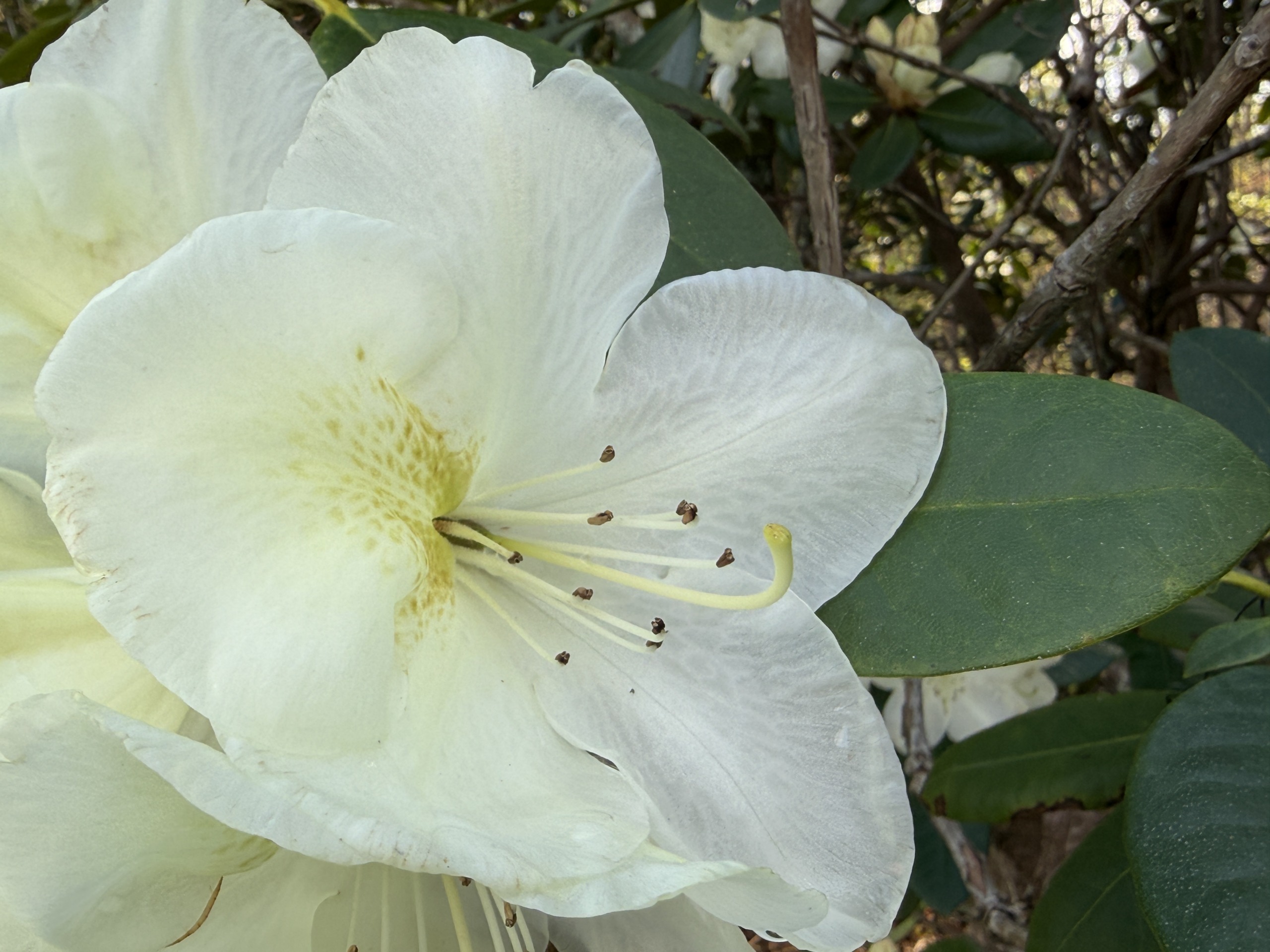
In my free time, I enjoy gardening, rowing on mountain lakes, and hiking to waterfalls. I have taken most of the photos featured on my websites:
www.SensitiveIntrovert.com
www.Flourishing-Lives.com



Leave a Reply
Want to join the discussion?Feel free to contribute!