
The Hidden Reason HSPs Struggle with Anger
.
 Like many highly sensitive people (HSPs), I have had a complicated relationship with anger. During my first twenty years, I had no trouble expressing it. Anger was acceptable in my family. Unfortunately, no one knew how to resolve conflict in healthy ways.
We expressed anger, but we didn’t solve problems. Over time, emotional distance grew between us until I couldn’t wait to leave for college.
Then I discovered that many people didn’t appreciate my anger. It created tension in relationships and often got me into trouble. I began to dislike that part of myself.
The problem wasn’t anger itself. The problem was that I had never learned how to express anger in a way that honored both myself and the people I loved.
Many highly sensitive people face the same struggle.
Because we value harmony, emotional connection, authenticity, and trust, anger can feel especially uncomfortable. We fear hurting someone, damaging a relationship, or appearing selfish. As a result, we suppress our anger, criticize ourselves for feeling it, or express it in unhealthy ways.
Thankfully, anger is not something we must fear. It can become a powerful guide toward healing, healthy boundaries, and deeper connection.
After decades as a counselor—and years of my own personal growth—I’ve learned that anger is usually not the real problem. More often, it signals something deeper.
Three Common Ways We Cope with Anger
1. We Explode
Some people express anger immediately. Their emotions feel so intense that they struggle to control them.
Afterward, they often feel guilty, ashamed, inadequate, frustrated, or helpless. They long for healthy relationships but cannot see a path forward.
This pattern often appears in people with an anxious attachment style.
2. We Suppress Anger Until We Explode
Others avoid conflict until their frustration becomes unbearable. They stew, ruminate, and build a case against their partner.
Over time, resentment can harden into contempt—the belief that “I’m better than you.”
This pattern often appears when anxious and avoidant tendencies operate together.
3. We Hide Behind Being Good
This pattern is especially common among highly sensitive introverts.
We bury our anger beneath people-pleasing, overthinking, over-achieving, caretaking, or trying to be “good.”
We focus on what’s wrong with our partner rather than acknowledging our own hurt. Sometimes we criticize in hopes that the other person will change. Other times, we remain silent and become martyrs.
We may appear calm on the outside while feeling lonely, resentful, or emotionally disconnected on the inside.
We don’t want to damage relationships, yet our emotional distance often weakens the very connection we desire.
These protective strategies commonly develop in people with an avoidant attachment style.
What Do These Patterns Have in Common?
All three patterns emerge from emotional insecurity.
Psychologists call this an insecure attachment style.
When we don’t feel safe and secure inside ourselves, we’re more easily triggered. Our nervous system detects danger and shifts into survival mode.
The amygdala—the brain’s alarm system—activates fight, flight, freeze, faint, or fawn (people-pleasing) responses in an effort to protect us.
When this happens, the thinking part of our brain, the prefrontal cortex, temporarily goes offline. We lose access to our best judgment and may say or do things we later regret.
Anger is not the problem.
Anger is trying to protect us.
What Is Anger Really Trying to Tell Us?
In nearly every situation I can think of, anger emerges when our attachment with another person feels threatened.
We no longer feel safe.
We no longer feel secure.
We no longer feel emotionally connected.
Highly sensitive people are especially vulnerable to attachment wounds because we deeply value love, trust, authenticity, and emotional intimacy.
We long for secure attachment.
We long to feel known, cherished, and emotionally safe.
When someone repeatedly behaves in ways that violate trust, our nervous system reacts.
We may not know how to explain it, but we feel sure it.
What Breaks Trust?
Trust often breaks when:
- Someone consistently prioritizes their own needs while showing little concern for ours.
- Someone criticizes, belittles, or demeans us.
- Someone manipulates us through dishonesty.
- Someone lies by omission or commission.
- Someone repeatedly dismisses our feelings, needs, or concerns.
- Someone violates important commitments.
Years ago, I learned this lesson painfully in my own marriage. I sensed that something wasn’t right and eventually discovered that my husband had been unfaithful. Like many HSPs, I initially ignored my anger and tried to stay calm and reasonable. I focused on understanding and acceptance rather than honoring my own hurt.
Looking back, I realize that my anger wasn’t the problem. My anger was alerting me to a serious breach of trust. Healthy anger was trying to protect me.
Many highly sensitive people dismiss those signals because they fear conflict, rejection, or appearing unkind.
Anger often serves as an invitation to pay attention to something important.
A Christian Perspective on Anger
Many Christians mistakenly believe that anger itself is sinful. Scripture teaches otherwise.
Ephesians 4:26 says, “Be angry and do not sin.”
Anger is a God-given emotion. It alerts us to broken boundaries, injustice, wounded attachments, and unmet needs.
The goal is not to suppress anger. The goal is to express it wisely, lovingly, and responsibly.
When we bring our anger to God and process it maturely, it can become a catalyst for healing rather than destruction.
Healthy Expression of Anger Builds Connection
Anger is not the problem. How we express anger is the problem.
Healthy anger helps us identify our needs, communicate honestly, and strengthen relationships.
One of the tools I teach clients is the use of “I-Messages.”
I-Messages help us identify our emotions, take responsibility for our experience, and communicate without blaming or attacking.
When used skillfully, they increase the likelihood that our partner will respond with empathy rather than defensiveness.
For example: “I feel hurt and scared when important information is hidden from me because honesty is essential for me to feel safe in our relationship.”
Notice the difference.
No blaming.
No attacking.
No shaming.
Just honest self-disclosure.
(See my article on I-Messages for a step-by-step guide.)
The Hidden Parts Beneath Anger
Before we can express anger skillfully, we must learn how to manage conflict inside ourselves.
This is one reason I love Emotionally Focused Therapy (EFT) and Internal Family Systems (IFS).
IFS teaches that our anger often comes from a protective part of ourselves.
The Protector works hard to keep us safe.
Meanwhile, the wounded part carrying hurt, fear, sadness, or rejection remains hidden.
As long as the Protector remains in charge, we may lead with criticism, analysis, perfectionism, people-pleasing, emotional distance, or control.
Our partner sees our anger or stoicism or coping strategy, but never sees our pain.
Healing occurs when we learn to speak for both parts while staying connected to our Authentic Self.
It might sound like this:
“Part of me feels angry that you hid this from me. I want to tell you how wrong it was. Another part feels deeply hurt and scared. When I don’t know whether I can trust you, I fear being betrayed again.”
This type of communication invites connection instead of defensiveness.
There Is Hope
Learning to express anger in healthy ways is one of the most valuable investments you can make in yourself and your relationships.
I know because I have spent decades learning these skills, both personally and professionally.
Like a black-belt martial artist or a world-class musician, we need to continue practicing throughout our lives.
The goal is not perfection. The goal is growth.
Every time you express anger with honesty, courage, compassion, and self-responsibility, you strengthen your capacity for secure attachment.
You become more authentic.
More connected.
More emotionally free.
And that is a gift worth cultivating.
Contact me.
If you would like help learning I-Messages, attachment skills, emotional healing, or mature conflict management, I would be honored to help.
To get started, please complete the application on my Contact Page.
 Author: .Benita A. Esposito, M.A., LPC, LCMHC
I help highly sensitive people (especially introverts) heal emotional wounds, cultivate inner peace, deepen spiritual intimacy, and express their Authentic Self. I am a licensed professional counselor in Georgia and North Carolina, as well as a spiritual counselor, life coach, and ordained minister.
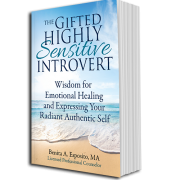
My bestselling book is available on Amazon: The Gifted Highly Sensitive Introvert: Wisdom for Emotional Healing and Expressing Your Radiant Authentic Self.
I specialize in identifying limiting patterns quickly so you can make meaningful progress without wasting time. My approach is body-based, grace-filled, and rooted in a Christian perspective that honors all faiths. I’m certified in the following therapies: Mindfulness, Brainspotting, Grief, Telemental Health, Highly Sensitive People.
In my free time, I enjoy gardening, rowing on mountain lakes, and hiking to waterfalls. My inner shutterbug shot most of the photos featured on my websites.
www.SensitiveIntrovert.com
www.Flourishing-Lives.com
Photo credits:
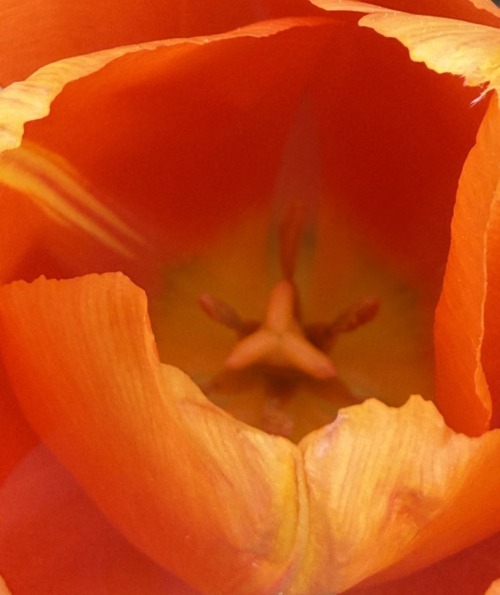
Flower, Benita A Esposito
Benita’s photo: K. Boyer Photography








Leave a Reply
Want to join the discussion?Feel free to contribute!